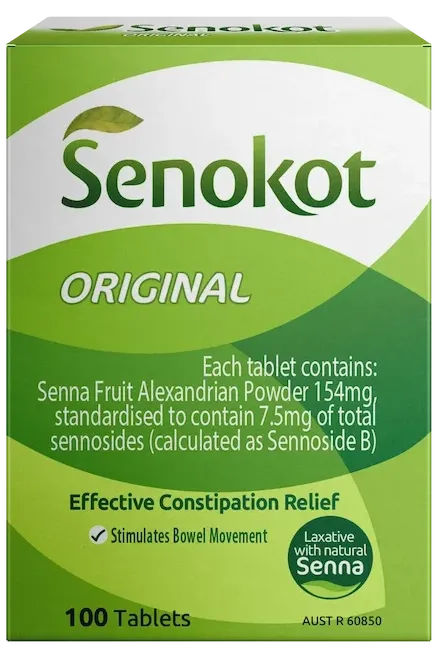


Senokot Dual Action with Softener Tablets 200s
- Laxative for reliable and effective relief of constipation
- Works in: 6-12 hours
- Age: for Adults and children over 12 years
- Available in: 90s, 200s



As you age, it's common to experience constipation. Ageing itself doesn’t cause constipation. However many changes that may come with getting older such as being less active, altering your diet, certain medications or other physical changes may contribute to constipation. Understanding the causes of constipation in older people can help us find ways to stay comfortable and healthy as we age.
Did you know that 26% of women and 16% of men aged 65 years and over experience constipation?1 What’s more, the likelihood that you will experience constipation increases with age. In fact, up to 8 in 10 people in long-term residential care experience constipation.1
Constipation in older people is likely due to a combination of risk factors that emerge as we age. Risk factors for constipation in the elderly can include not getting enough dietary fibre, being physically inactive, experiencing mental health challenges or taking certain medications. Understanding these factors is the first step in managing constipation effectively in older adults. By recognising the various risk factors, caregivers and those impacted can take proactive steps to address and alleviate constipation.
Some medications that are commonly used by older adults may contribute to constipation. Having an awareness of the potential constipating effects of your medicines can help you talk to your doctor about management options. Examples of medications that may cause constipation include some pain relief medications and iron supplements.
If you suspect that your medications may be causing constipation, talk to your doctor for guidance.
A low-fibre diet and inadequate water intake can contribute to constipation. Older people may not consume enough fibre in their diet to help maintain regular bowel movements. Some foods for constipation in elderly people include fruits, vegetables, cooked peas and lentils, along with wholegrain breads and cereals. Additionally, some older people may experience a reduced sense of thirst that can lead to drinking less water. Dehydration can contribute to having harder stools that are more difficult to pass. Although you may be experiencing these things, it is best to consult with a medical professional before increasing fluid intake or dietary fibre.
Physical activity helps stimulate digestion and promotes regular bowel movements. However, some older adults lead a lifestyle with limited exercise or movement. This can be due to mobility issues, chronic pain, or other health concerns that can arise in older age. A sedentary lifestyle and limited exercise can slow down the digestive system, contributing to constipation. Exercise for constipation in elderly people, such as incorporating light physical exercise into daily routines like walking, is recommended.
Making dietary and lifestyle adjustments are two important strategies for alleviating constipation in older adults. Increasing your fibre intake is often recommended for improving bowel regularity. It's recommended that older adults gradually incorporate fibre-rich foods into their diet. High-fibre foods include apples, pears, berries, nuts, oats, barley, beans, lentils, and chickpeas, which add bulk to the stool and promote regular bowel movements. It's important to discuss the right amount and type of fibre for your needs with your dietician or doctor.
Staying hydrated is an important measure to adopt as adequate fluid intake helps to soften stools, making them easier to pass. Herbal teas and water-rich foods like cucumbers and citrus fruits can help maintain overall hydration.
You can learn more about effective diets for constipation here.
When lifestyle and diet changes don’t provide sufficient relief from constipation, over-the-counter laxatives may be an option to consider. There are several types of laxatives, including bulk-forming laxatives, stool softeners, osmotic laxatives and stimulant laxatives.
Bulk-forming laxatives, such as psyllium, work by absorbing water and increasing stool bulk, stimulating bowel movements. Stool softeners help moisten the stool, making it easier to pass. Osmotic laxatives draw water into or keep water in the intestines to soften the stool. Stimulant laxatives, including senna-based products like Senokot, stimulate the muscles that line the intestines to promote bowel movements. While effective, stimulant laxatives should only be used for short-term relief, unless advised by a healthcare professional.
It is recommended to establish a routine for high-fibre meals, exercise and bowel movements. Try to set time aside to use the toilet in the morning, even if you don’t feel the need to go at that moment.Digestion is also known to be impacted negatively by stress. Try engaging in stress management techniques such as meditation and relaxing physical activities like walking which are known to reduce stress and may help improve constipation.
While constipation can often be managed with dietary and lifestyle changes alone, it is important to seek medical attention if you are older. Doctors can also advise about laxatives and treatments to help alleviate constipation beyond simple lifestyle and diet changes.
If you or someone you care for experiences a sudden change in bowel habits, unexplained weight loss, bleeding from the rectum or blood in stools or persistent abdominal pain, cramping, or bloating you should seek medical help immediately.
Managing constipation in elderly people involves understanding its causes and implementing effective strategies through diet, hydration, physical activity, and other lifestyle changes. While dietary adjustments and natural remedies play an important role, there are times when additional support from laxatives may be needed. Many types of laxatives may provide relief from constipation. Speaking with your doctor about your laxative treatment is important to avoid interactions with other medications and to determine the most appropriate approach for you.
This article is for general information only and is not intended as a substitute for medical advice. All information presented on these web pages is not meant to diagnose or prescribe. For all health-related matters, always consult your healthcare professional.
Always read the label and follow the directions for use. RKT-M-64143.