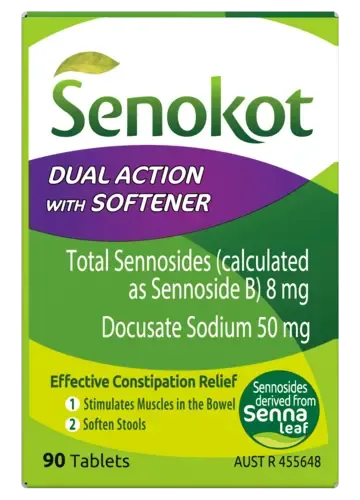


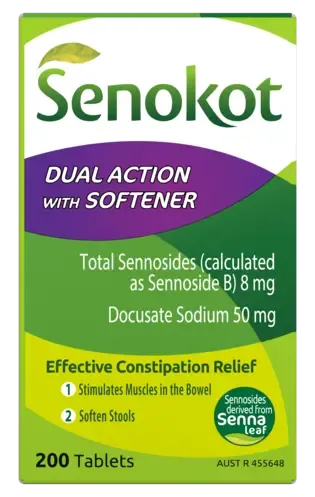
Senokot Dual Action with Softener Tablets 200s
- Laxative for reliable and effective relief of constipation
- Works in: 6-12 hours
- Age: for Adults and children over 12 years
- Available in: 90s, 200s


Constipation during pregnancy is a common issue. About 40% of pregnant women experience constipation at some stage, usually in the 1st and 2nd trimesters.1,2 Pregnancy constipation can be caused by hormonal changes that relax the muscles and slow the time food takes to pass through the gut. Constipation can also be the result of physical pressures on the intestines that occur as a natural part of pregnancy. It’s important to manage constipation during pregnancy to ensure optimal comfort and to avoid complications.
Although there are many ways to alleviate constipation in pregnancy, always seek the advice of a healthcare professional before using for constipation.
Constipation during pregnancy affects many pregnant women and is the second most reported gastrointestinal complaint in pregnancy after nausea.1,3 Constipation while pregnant can involve infrequent bowel movements, a need to push or strain, difficulty passing stools and a feeling of incomplete evacuation. Pregnancy brings several changes that can contribute to constipation:
These combined factors can result in less frequent and more difficult bowel movements, leading to constipation in pregnancy.
Modifying your diet may help alleviate constipation during pregnancy. Increasing your fibre intake is a simple way to help reduce constipation during pregnancy. Foods high in fibre include whole grain cereals and bread, fresh fruits and vegetables, nuts, dried fruits and legumes. It’s important to gradually increase your fibre intake to avoid bloating and discomfort that can sometimes occur with sudden increases in fibre.
Consider consulting a dietitian if you’re unsure how to incorporate these dietary changes into your lifestyle. A dietitian can provide personalised advice to help you maintain a healthy diet and manage constipation effectively during pregnancy.
Staying hydrated is important to help prevent constipation during pregnancy. Pregnant and breastfeeding women need to increase their fluid intake and should aim to drink at least 7–8 glasses of fluids per day – even more in hot or humid weather.1 Water is the best option for hydration, but fruit juices, including prune juice, can also be beneficial due to prune juice’s natural laxative properties.
Some tips to stay hydrated during pregnancy:
Staying active by doing some gentle exercise can help to prevent constipation during pregnancy. Gentle exercise can help activate digestion and promote regular bowel movements. It's important to consult your doctor, physiotherapist or healthcare professional before starting an exercise routine during pregnancy to ensure it's suitable for your specific needs.
Activities such as walking, swimming, cycling, jogging, aquarobics and prenatal yoga are all examples of appropriate exercises you can do while pregnant. However, it's important to pay attention to your body and determine the appropriate exercise intensity for you.
When managing constipation during pregnancy, it's best to start with dietary and lifestyle changes to see if they help relieve your symptoms. If these changes are ineffective at relieving your constipation, laxatives in pregnancy can be considered. Consult a healthcare professional before using any over-the-counter medications. While certain laxatives can be used during pregnancy, it is important to consult with your doctor to ensure your constipation is managed appropriately.
There are various types of over-the-counter laxatives that your doctor might suggest, including bulk-forming laxatives and osmotic laxatives. Bulk-forming laxatives are typically fibre-based and work by adding volume and water to your stool. Osmotic laxatives also draw water into the bowel to expand and soften the stool, making it easier to pass.
If you think laxatives might help with constipation during pregnancy, you should make an appointment with your doctor.
Although constipation during pregnancy is common, it is important to seek medical advice if you can’t manage your symptoms at home or before using medication to treat constipation. Additionally, seeing a doctor will allow you to receive personalised advice specific to you.
Constipation when pregnant is generally not a cause for concern. However, if you experience severe constipation with abdominal pain, your constipation alternates with diarrhoea, or you notice mucus or blood in your stools, you should see your doctor immediately.
Constipation during pregnancy can usually be managed with dietary changes, increased hydration and regular physical activity. Maintaining a healthy diet and active lifestyle are both ways you can help prevent constipation during pregnancy.
Remember, if you can’t manage your symptoms at home with simple lifestyle adjustments, it is important to seek medical advice before using a laxative to treat constipation during pregnancy.
This article is for general information only and is not intended as a substitute for medical advice. All information presented on these web pages is not meant to diagnose or prescribe. Always consult your healthcare professional before commencing any treatment whilst pregnant.
If you are pregnant or breastfeeding, seek the advice of a healthcare professional before using a product for constipation. Always read the label and follow the directions for use. RKT-M-66527.
Mothersafe. Royal Hospital for Women. Constipation in Pregnancy and Breastfeeding. 2019. Available at: https://www.seslhd.health.nsw.gov.au/sites/default/files/groups/Royal_Hospital_for_Women/Mothersafe/documents/constipationpb20.pdf (accessed July 2024).
Gartland D, et al. Aust NZJ Obstet Gynaecol 2010;50(5):413–8. Available at: https://doi.org/10.1111/j.1479-828X.2010.01204.x
Trottier M, et al. Can Fam Physician 2012;58(8):836–8. Available at: https://pubmed.ncbi.nlm.nih.gov/22893333/